
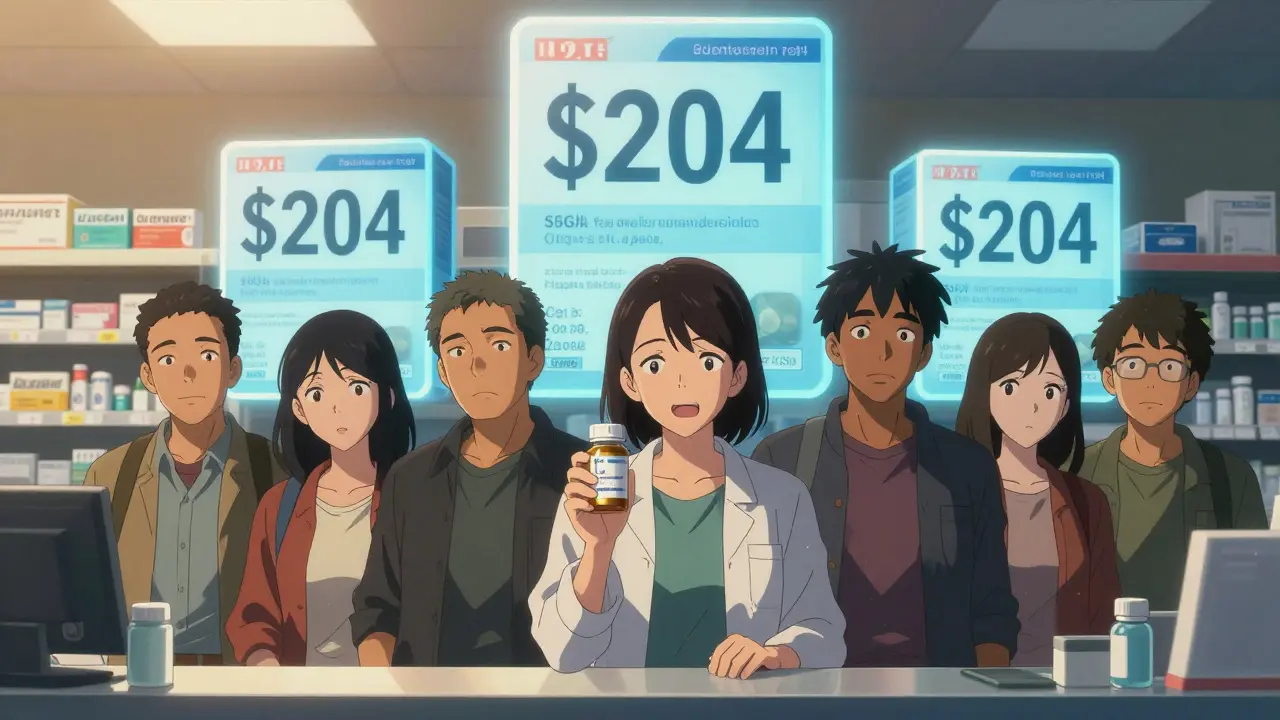
When you walk into a pharmacy in the U.S. and pick up a generic pill, you might think you’re getting a bargain. And in many cases, you are. But here’s the twist: while generic drugs in America are often cheaper than in other countries, the overall cost of prescriptions in the U.S. is still the highest in the world. Why? It’s not because generics are expensive-it’s because the brand-name drugs you don’t take every day are costing you more than you realize.
Generics in the U.S. Are Actually Cheaper Than Abroad
A 2022 study by the RAND Corporation found something surprising: U.S. prices for unbranded generic drugs were 33% lower than in 33 other developed nations. That means if a generic version of a blood pressure pill costs $5 in Germany, it’s likely around $3.35 in the U.S. The same pattern holds for antibiotics, cholesterol meds, and diabetes drugs. In fact, 90% of all prescriptions filled in the U.S. are for generics-and most of them cost under $20.
Why? Because the U.S. market has more competition. When three or more companies start making the same generic drug, prices drop hard. The FDA says prices fall to just 15-20% of the original brand-name cost after that. In countries like France or Japan, where only one or two companies make a generic, prices stay higher. The U.S. doesn’t just allow generics-it encourages a race to the bottom, and that’s why your $4 prescription at Walmart isn’t a fluke.
Brand-Name Drugs Are the Real Problem
Here’s where things get ugly. While generics make up 90% of prescriptions, they account for only about 15% of total drug spending. The other 85%? That’s all brand-name drugs. And in the U.S., those prices are insane.
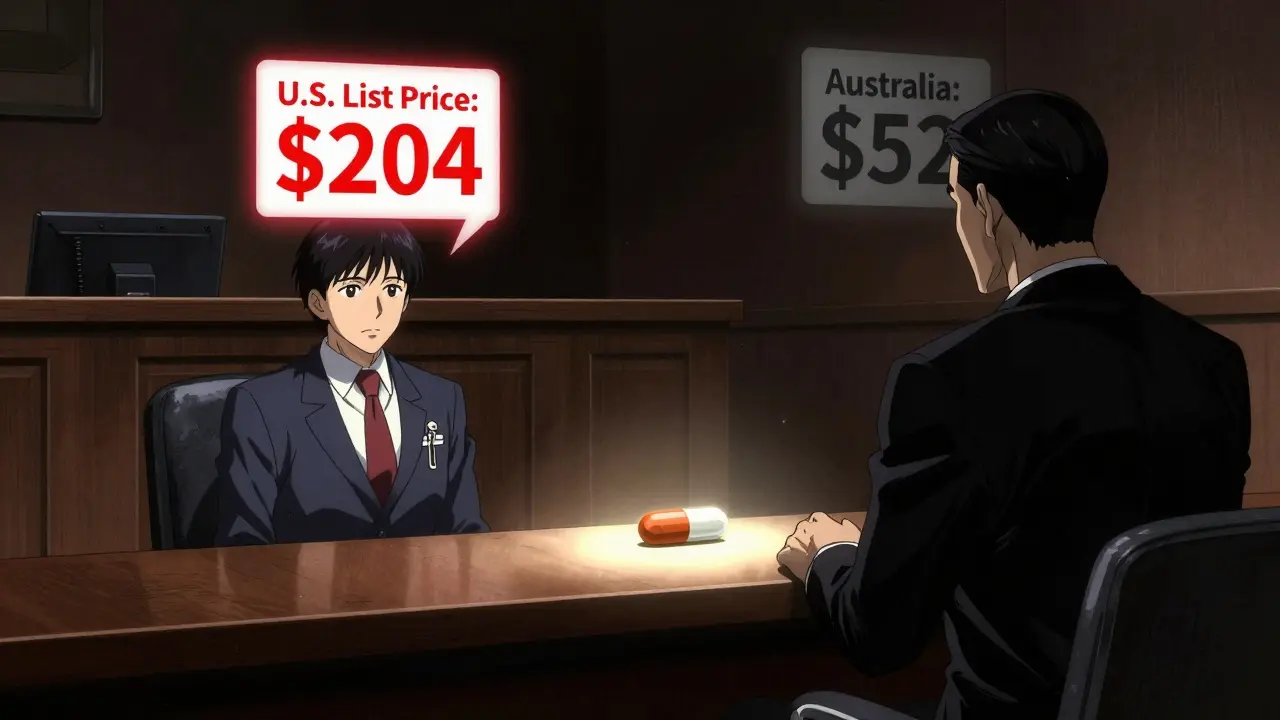
According to the same RAND study, U.S. brand-name drug prices are 308% higher than in other countries. For some drugs, it’s even worse. Take Jardiance, a diabetes medication: Medicare’s negotiated price was $204 per prescription. In Australia, the same drug costs $52. In Japan, it’s $48. That’s over four times the price in the U.S.
Why? Because the U.S. doesn’t negotiate prices the way other countries do. Canada, Germany, and the U.K. have government agencies that set price caps. In the U.S., drugmakers set list prices, and insurers fight back with rebates-so the real cost is hidden. The list price you see on a billboard? That’s not what most people pay. But if you’re uninsured, or paying out of pocket, that’s the price you get stuck with.
The Net Price Paradox
Here’s another twist: a 2024 study from the University of Chicago found that when you look at net prices-what insurers and Medicare actually pay after rebates-the U.S. is 18% cheaper than peer countries like Canada, Germany, and the U.K.
How? Because U.S. public programs like Medicare Part D have massive buying power. They negotiate hard. They demand rebates. And they’re not afraid to drop a drug if the price is too high. That’s why net prices for generics are so low. But here’s the catch: those savings don’t help you if you’re not covered by Medicare or Medicaid. If you’re paying full price at the pharmacy counter, you’re still getting hit with the inflated list price.
Why Some Generics Suddenly Become Expensive
It’s not all sunshine and $4 prescriptions. Sometimes, a generic drug you’ve been taking for years suddenly jumps in price-sometimes by 500% or more. Why? Because the market collapsed.
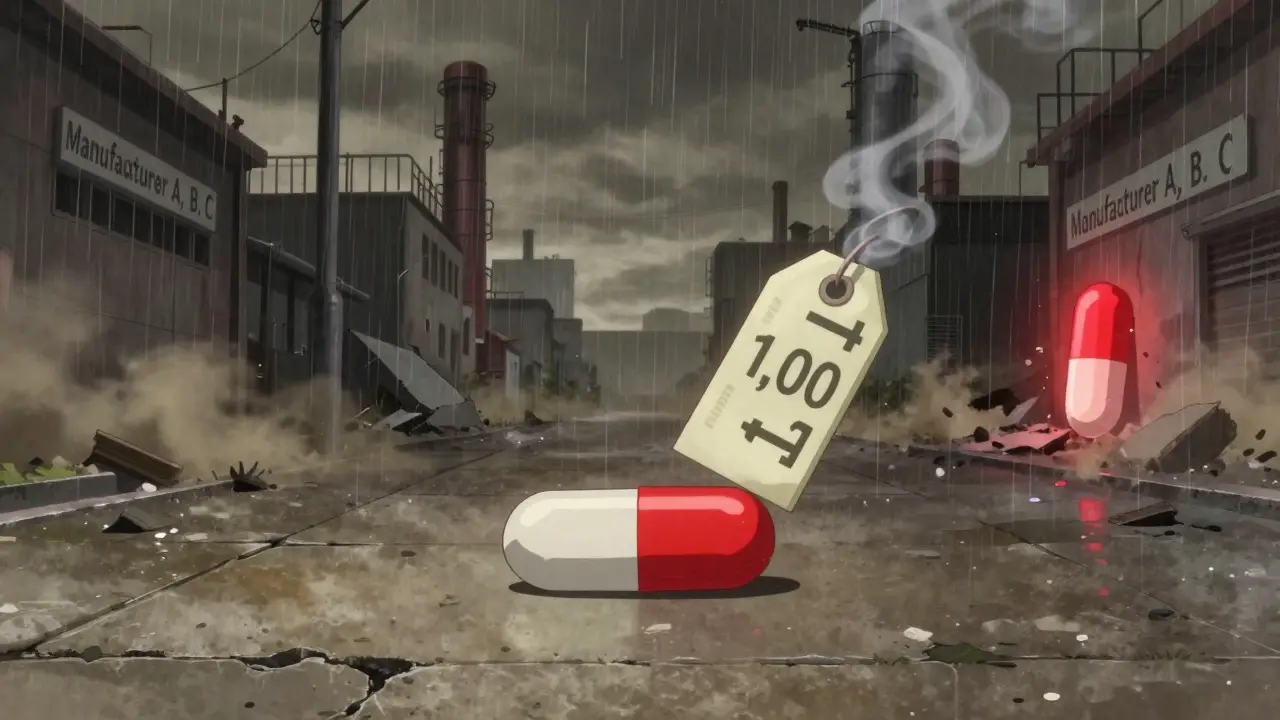
When too many companies make the same generic, profits vanish. Some manufacturers quit. Others get bought out. Suddenly, there’s only one company left. And guess what? They raise prices. The FDA has documented cases where a drug with five manufacturers drops to one, and the price spikes overnight. This happened with doxycycline, a common antibiotic, and with certain heart medications. In 2023, one generic version of a blood pressure drug jumped from $10 to $1,000 per month because only one company was left making it.
It’s a cruel irony: the system designed to keep prices low can, in rare cases, make them unbearable.
How Other Countries Keep Prices Low
France and Japan lead the pack in low drug prices-not because they’re stingy, but because they’re smart. They set price caps based on what drugs cost in other countries. They limit how much companies can charge. And they require companies to prove a drug is worth the price before it hits the market.
In Canada, the Patented Medicine Prices Review Board reviews every new drug and says “no” if the price is too high. In the U.K., the NHS negotiates bulk deals and refuses to pay for drugs that don’t offer enough benefit. In Australia, the Pharmaceutical Benefits Scheme uses international benchmarks to set prices. None of these systems are perfect, but they all prevent the kind of wild price swings you see in the U.S.
Medicare’s Negotiations Aren’t Enough
Starting in 2022, Medicare began negotiating prices for the first time. The first 10 drugs were chosen because they cost Medicare billions. The goal? Bring U.S. prices closer to global levels.
The results? In 9 out of 10 cases, Medicare’s negotiated price was still higher than what other countries pay. For Stelara, a psoriasis drug, Medicare paid $4,490 per dose. In Germany, the same drug cost $2,822. In Australia, it was $2,500. The U.S. didn’t catch up-it just got a little less expensive.
And that’s just the first round. The next 15 drugs will be negotiated in 2025. But even if Medicare cuts prices in half, it won’t fix the system. Because Medicare only covers about 65 million people. The rest? They’re on their own.
What This Means for You
If you take mostly generics, you’re probably doing fine. Your $6 copay isn’t luck-it’s the result of a competitive market. But if you need a brand-name drug-say, for cancer, autoimmune disease, or rare conditions-you’re in the crosshairs. Those prices are set by a system that doesn’t care what other countries pay.
Here’s what you can do:
- Always ask if a generic is available-even if your doctor didn’t suggest it.
- Use pharmacy discount cards (GoodRx, RxSaver). They often beat insurance prices.
- Check if your drug is on Medicare’s negotiation list. If it is, wait until 2025 for lower prices.
- If you’re uninsured, ask about patient assistance programs. Most drugmakers offer them.
The system isn’t broken-it’s designed this way. Generics are cheap because competition works. Brand-name drugs are expensive because there’s no competition. Until that changes, your wallet will keep feeling the difference.
What’s Next?
The FDA approved 773 new generic drugs in 2023. That’s expected to save $13.5 billion this year. But that’s only if those generics actually hit the market. And some don’t-because big drugmakers buy up competitors or delay approvals with lawsuits.
The real question isn’t whether U.S. generics are cheap. It’s whether we’ll ever fix the brand-name pricing system. Until then, Americans will keep paying more for innovation-while the rest of the world gets to enjoy lower prices, thanks in part to the U.S. market.




Emma Nicolls
March 13, 2026 AT 00:22Stephanie Paluch
March 13, 2026 AT 14:13tynece roberts
March 15, 2026 AT 12:22Hugh Breen
March 16, 2026 AT 01:06Byron Boror
March 17, 2026 AT 19:27Rex Regum
March 18, 2026 AT 03:20Kelsey Vonk
March 19, 2026 AT 06:38Jimmy V
March 19, 2026 AT 17:40Richard Harris
March 20, 2026 AT 07:21Kandace Bennett
March 21, 2026 AT 08:09