
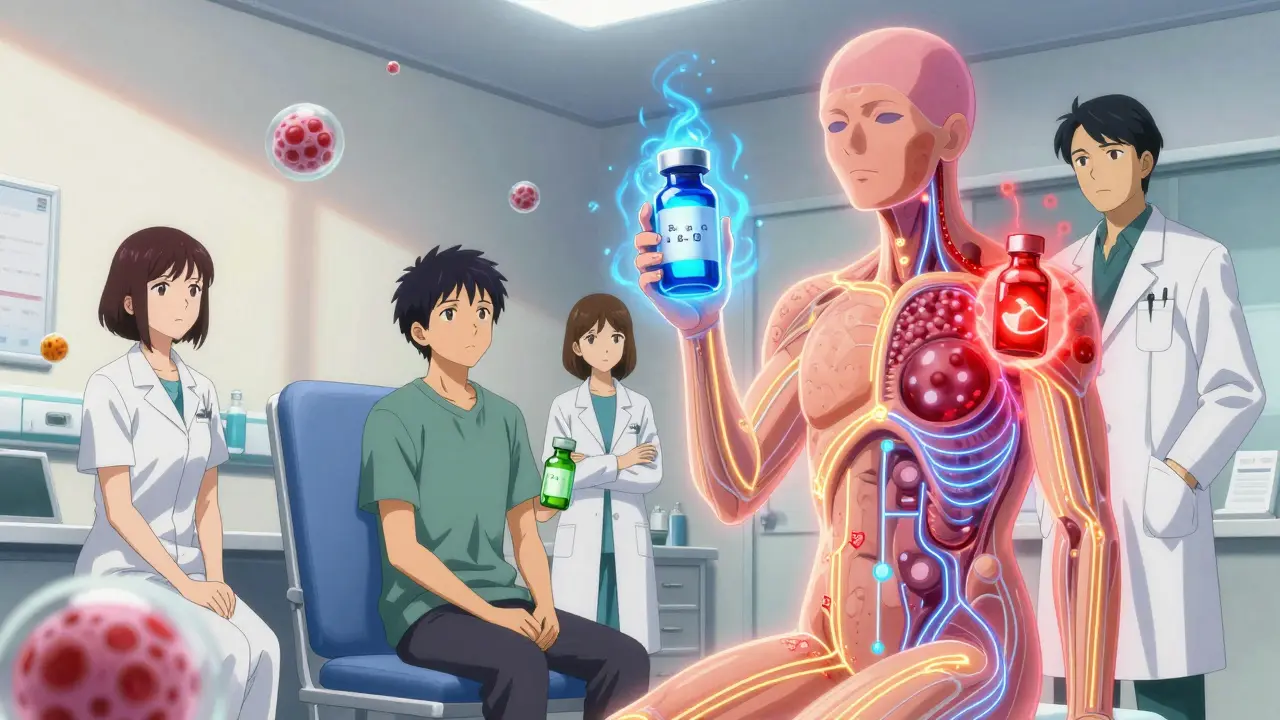
Chemo Interaction & Risk Assessment
This tool helps visualize potential risks discussed in oncology guidelines. Select the chemotherapy class being considered along with patient-specific factors to see flagged interaction risks.
Step 1: Select Treatment Class
Step 2: Patient Factors
Risk Assessment
Imagine you are holding two keys that look almost identical, but one opens your front door and the other opens the neighbor's safe. That is essentially what doctors face when managing medications for cancer patients. Chemotherapy is a cornerstone of modern medicine, designed to hunt down and destroy rapidly dividing cells. But when mixed with the dozens of other drugs a patient might take daily, the chemistry gets complicated. In 2023 alone, the Centers for Disease Control noted roughly 650,000 people receiving this treatment annually across U.S. outpatient settings. We aren't just talking about taking a pill; we are navigating a minefield where the right combination saves lives and the wrong one causes dangerous harm.
The reality is stark: over half of all cancer patients receive chemotherapy during their journey. With more than 100 distinct chemotherapy drugs currently approved, the potential for drug interactions-where one medicine changes how another works-is massive. You might be thinking, "Why does my stomach medication matter if I'm fighting leukemia?" It matters because the liver doesn't know which chemical is fighting the disease and which is helping your digestion. If they fight for the same processing lanes in your body, one of them gets delayed or amplified to dangerous levels.
Understanding the Chemical Warfare
To understand why these interactions happen, you need to see how the weapons work. The National Cancer Institute categorizes these agents into classes based on how they attack cancer. Let's look at Anthracyclines, which includes popular drugs like doxorubicin. These act like anti-tumor antibiotics, binding directly to DNA to stop cell reproduction. However, they carry a heavy price tag: cardiac toxicity. Clinical protocols from Dana-Farber Cancer Institute cap lifetime doses at around 450-550 mg/m² to protect the heart.
Then there are alkylating agents like cyclophosphamide or antimetabolites like methotrexate, which block critical enzymes needed for DNA synthesis. When you mix these potent chemicals with routine prescriptions-say, for high blood pressure or depression-the body's metabolic pathways get clogged. This is where pharmacogenomics comes in. Your genes determine how fast you break down drugs. For example, testing for CYP2D6 is standard before starting tamoxifen, because some people metabolize it slowly, leaving them unprotected against breast cancer recurrence.
The Hidden Danger of Polypharmacy
Polypharmacy is a big word for taking many medicines at once. In cancer care, this isn't just about the chemo pill itself. Most patients are also on antiemetics for nausea, steroids for inflammation, growth factors for white blood cells, and pain management drugs. Each of these adds a layer to the interaction risk. A study published in NEJM Evidence in March 2023 showed that combination chemotherapy achieved higher response rates in metastatic triple-negative breast cancer compared to immunotherapy alone, but it came with significantly higher adverse events.
The issue is often invisible until symptoms appear. For instance, taxane-based regimens often cause peripheral neuropathy, affecting 41% of patients. If a patient is also on a supplement for nerve health that affects the same liver enzymes (like grapefruit extract), it can worsen the toxicity of the taxane. According to ASCO's survey data, nearly 40-60% of patients experience myelosuppression (low blood counts) due to regimen intensity, which can turn minor infections into life-threatening emergencies if not managed carefully.
| Drug Class | Example Medications | Primary Mechanism | Key Interaction Risk |
|---|---|---|---|
| Anthracyclines | Doxorubicin, Daunorubicin | Intercalates DNA | Heart damage (Cardiotoxicity) |
| Taxanes | Paclitaxel, Docetaxel | Disrupts cell division | Nerve damage (Neuropathy) |
| Antimetabolites | Methotrexate | Blocks DNA synthesis enzymes | Kidney strain, Folate deficiency |
| Alkylating Agents | Cyclophosphamide | Adds alkyl groups to DNA | Bladder irritation, Bone marrow suppression |
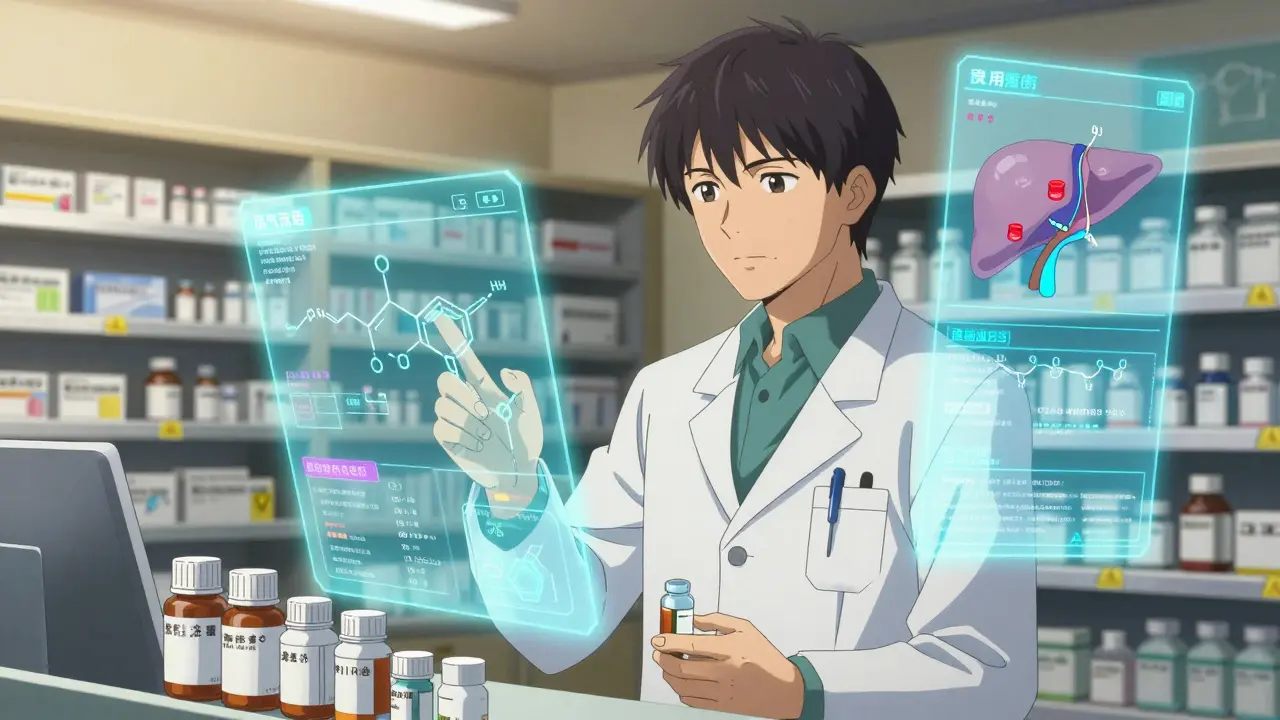
Managing Risks: The Role of the Pharmacy Team
You cannot navigate this alone. That is why the American Society of Health-System Pharmacists mandates specialized verification. Almost 98% of U.S. cancer centers now use board-certified oncology pharmacists specifically to validate these regimens before a single drop enters a vein. They check the metabolic pathways to ensure the "chemical traffic jam" doesn't stop your heart or shut down your kidneys.
Hospitals also run electronic order templates with built-in safety checks. While 92% of major NCI-designated cancer centers use these systems, community practices lag behind, creating gaps in safety. When a patient starts oral chemotherapy, adherence becomes tricky. Non-adherence rates sit around 20-30%, often because patients skip doses to avoid side effects, which ironically makes the treatment less effective and increases resistance risks.
Supplements and Natural Remedies: To Take or Not to Take?
This is where patients make the most common mistakes. You might reach for St. John's Wort for depression or a high-dose antioxidant supplement to "boost immunity" during treatment. Be careful. Antioxidants can actually interfere with the mechanism of action of radiation and certain chemotherapies that rely on oxidative stress to kill tumor cells. The FDA has specific Risk Evaluation and Mitigation Strategies (REMS) for drugs like pemetrexed, requiring mandatory folate and B12 supplementation to prevent toxicity. Missing that requirement turns a manageable drug into a hazard.
Communication is the best tool. Doctors often don't ask unless you bring it up because they assume patients will stick to the prescribed plan. But in reality, 44% of patients face treatment delays due to low neutrophil counts (neutropenia), sometimes exacerbated by hidden interactions. If you take an herbal supplement, tell your oncologist. Even natural products have powerful pharmacological effects that can alter drug clearance in the liver.
The Patient Experience: Balancing Toxicity and Survival
Behind the statistics are real struggles. Reviews on CancerCare indicate 68% of patients report moderate-to-severe fatigue. It's not just being tired; it's a systemic exhaustion that affects quality of life. Yet, 76% say they would undergo the treatment again given the outcome. One survivor shared her story online, crediting a brutal 16-week AC-T regimen for saving her life despite the severity.
However, complications still happen. About 25% of mortality linked to chemo stems from treatment complications rather than the cancer itself. This highlights the urgent need for better toxicity management. Integrated palliative care helps here; Mayo Clinic studies show that patients receiving early supportive care alongside chemo reported 35% higher quality-of-life scores. It's about treating the person, not just the tumor burden.
Looking Ahead: Precision and Personalization
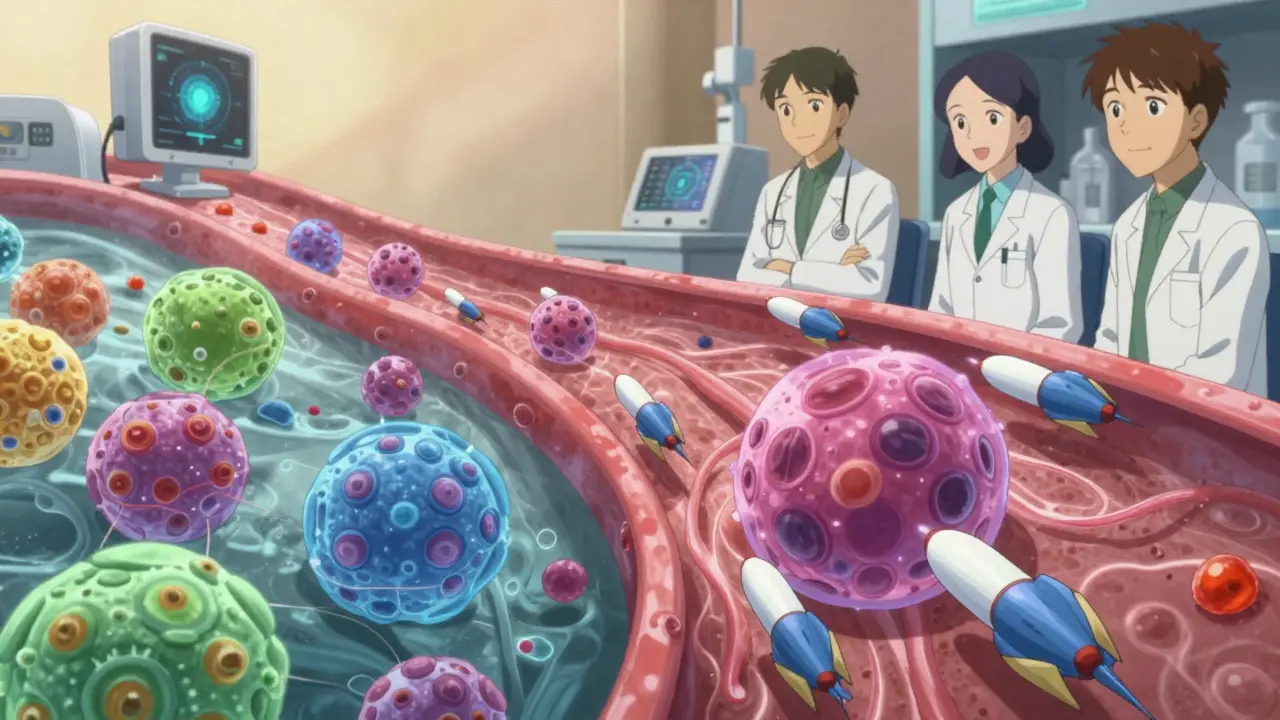
The future of chemotherapy isn't abandoning old drugs but refining how we use them. New technologies like circulating tumor DNA (ctDNA) guidance allow doctors to shorten unnecessary treatment. An ALLIANCE trial in 2023 proved this could reduce treatment by 32% without hurting outcomes. We are moving toward antibody-drug conjugates (ADCs), such as Trodelvy, which deliver chemotherapy directly to cancer cells, sparing healthy tissue. These advances suggest a shift from broad-spectrum destruction to targeted delivery, potentially reducing the systemic toxicity that drives so many interactions.
Frequently Asked Questions
Can I take vitamins while on chemotherapy?
You must consult your oncologist first. Some antioxidants found in high doses can interfere with how chemotherapy kills cancer cells. Standard multivitamins are usually okay, but herbal supplements often interact with liver enzymes used to process the drugs.
Why do some drugs cause heart problems?
Drugs like doxorubicin are cardiotoxic. They affect the heart muscle after a lifetime cumulative dose limit is reached. Monitoring via echocardiograms and keeping total dosage within strict guidelines helps prevent permanent heart damage.
What happens if I miss a dose of oral chemotherapy?
Missing doses can lead to treatment failure or drug resistance. If you forget a dose, contact your pharmacy immediately; do not double up on the next dose. Adherence is vital for maintaining the concentration of the drug needed to kill cells.
Does my age change how I react to chemotherapy?
Yes, kidney and liver function naturally decline with age, which can slow down how long drugs stay in your system. Dosing often needs adjustment for older adults to minimize side effects while still maintaining effectiveness.
How do drug interactions affect blood tests?
Interactions can lower white blood cell counts faster than expected, increasing infection risk. Regular blood work monitors these counts so dosages can be paused if levels drop too low, protecting your immune system.


Rocky Pabillore
April 2, 2026 AT 10:53The general public still fundamentally misunderstands how hepatic metabolism impacts systemic toxicity.
Callie Bartley
April 2, 2026 AT 21:23We always hear about the high cost of care without seeing the real danger lurking in the prescriptions.
The FDA warnings get buried under insurance paperwork and patients suffer needlessly.
It is absolutely heartbreaking when preventable errors happen due to system overload.
I refuse to accept that basic safety checks are optional for anyone receiving these heavy treatments.
We deserve a system that prioritizes life over profit margins constantly.
James DeZego
April 2, 2026 AT 23:15It is actually quite common for laypeople to overlook those details completely.
I work in oncology support and see the confusion daily.
Many patients do not realize their blood pressure meds affect chemo.
Liver enzymes like CYP2D6 play a massive role here.
Without testing you cannot know your specific metabolic speed.
That is why genetic screening is becoming standard practice now.
You might find it surprising how fast tolerance develops too.
The body adapts to foreign chemicals faster than we expect sometimes.
Doctors try to monitor liver function tests every single cycle.
They look for signs of strain on the organ systems.
If numbers shift they adjust the dosage immediately.
Communication remains the single most important tool available.
Pharmacists are the unsung heroes in this entire process honestly.
They catch the conflicts before the drugs ever touch the patient.
We just need to listen more to their expertise during rounds.
It really helps to keep everyone safe during the journey :)
Cara Duncan
April 3, 2026 AT 07:43It feels so overwhelming to manage all these medications at once 🙃.
Family members often carry the burden of checking labels constantly.
Knowing the risks early really helps build confidence in the team 💪.
Please take care of yourself and communicate openly with providers 😊.
Christopher Beeson
April 3, 2026 AT 13:34Suffering is merely the price paid for existence in a biological world.
Medicine attempts to negotiate terms with our mortality constantly.
These chemical interventions blur the line between cure and toxicity.
We are essentially poisoning the body to save the self.
The paradox of destroying cells to heal tissue defines modern therapy.
Patients become vessels for experimental chemistry without much choice.
Freedom looks different when your survival depends on strict adherence.
Every pill represents a calculated gamble against probability.
We ignore the existential dread that accompanies these regimens.
Fear drives behavior more than any logical explanation ever could.
The hospital walls witness more truth than any open street does.
Death remains the ultimate arbiter of all these scientific efforts.
Yet hope persists despite the inherent fragility of human biology.
Perhaps resilience is the only true metric we should track.
Understanding the pain gives weight to the value of living.
We navigate the abyss together through shared experience and stories.
Arun Kumar
April 4, 2026 AT 04:40In my home region we face similar challenges with different resources available.
Global health standards vary significantly across various borders today.
Patients everywhere need access to proper toxicology monitoring tools.
Knowledge sharing saves lives regardless of where you live physically.
Let us support each other through the difficult treatment cycles ahead.
Julian Soro
April 4, 2026 AT 20:26Sharing knowledge globally is the only way to improve outcomes for everyone involved.
Cullen Zelenka
April 5, 2026 AT 02:57New technologies will definitely reduce the side effects seen in current protocols soon.
We are moving toward personalized treatment plans that fit individual genetics.
Survivors today pave the way for safer therapies tomorrow for sure.
Stay positive because research advances faster than most people realize.