
Polypharmacy Risk Calculator
Understand Your Medication Risk
This tool estimates how much your risk of frailty increases with each additional medication. Based on research showing that for every extra medication, frailty risk rises by 12%.
What You Can Do
If your risk is elevated, discuss these options with your doctor:
- Use the 3-Step Deprescribing Method (Review, Discuss, Monitor)
- Ask about MedWise Risk Score for personalized analysis
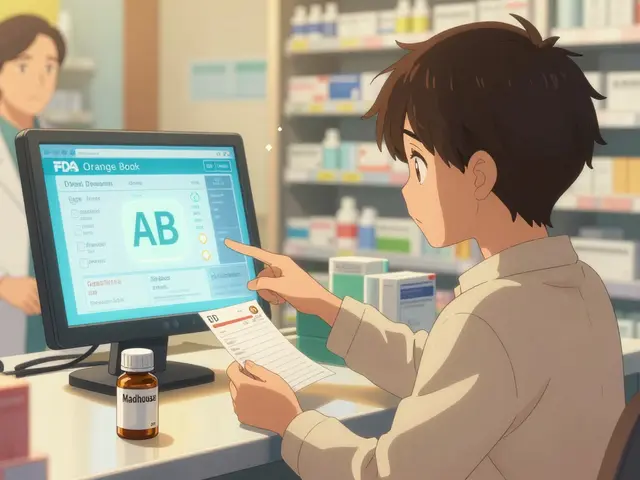
- Get a free medication review from your pharmacist
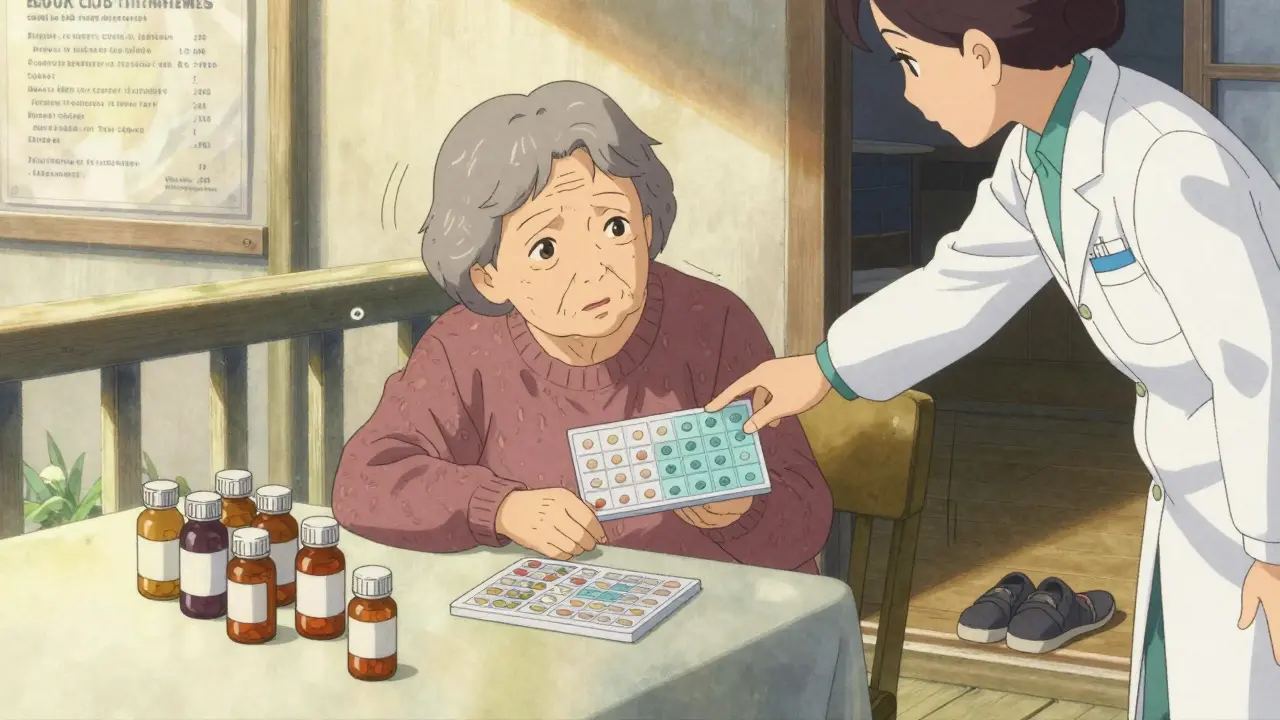
More than half of older adults in the U.S. are taking five or more medications daily. For someone who’s frail - meaning they’re weaker, slower, and more easily worn out - each extra pill isn’t just a treatment. It’s a risk. A 78-year-old woman with heart disease, arthritis, and high blood pressure might be on 12 pills a day. She’s tired all the time. She’s fallen twice in the last three months. Her doctor says she’s doing well. But she’s not doing well. She’s just surviving.
Why Frailty and Too Many Pills Don’t Mix
Frailty isn’t just getting older. It’s a measurable condition. You’re considered frail if you have three or more of these five signs: unintentional weight loss, feeling exhausted most days, weak grip strength, walking slower than you used to, and being less active than before. About 1 in 10 older adults in the community meet this definition. But among those taking 10 or more medications - what doctors call hyper-polypharmacy - that number jumps to nearly 3 in 4. The problem isn’t just the number of pills. It’s how they interact. A blood pressure medicine might make you dizzy. A painkiller might slow your digestion. A sleep aid might make you confused. Put them all together, and the side effects pile up. One study found that for every extra medication an older adult takes, their chance of becoming frail goes up by 12%. That means if someone goes from 5 to 7 pills, their frailty risk nearly doubles. And it works the other way too. People who are already frail are more likely to be prescribed more drugs. They fall more, so they get anticoagulants. They get constipated, so they get laxatives. They have trouble sleeping, so they get sedatives. It becomes a cycle: more pills → more side effects → more frailty → more pills.The Hidden Cost of Too Many Pills
The real cost isn’t just in dollars - though it’s huge. In the U.S., medication-related problems in older adults cost $177 billion a year. About 125,000 to 300,000 preventable deaths happen each year because of these side effects. But the human cost is worse. Think about Mrs. Carter, 82, who takes 9 medications. She takes one for her heart, two for blood pressure, one for cholesterol, two for arthritis, one for acid reflux, one for sleep, and one for anxiety. She says she forgets which ones to take when. Her daughter helps, but sometimes Mrs. Carter skips her diuretic because she doesn’t want to keep going to the bathroom. She’s dizzy in the morning. She stopped going to her book club because she’s afraid she’ll fall. Her quality of life? It’s slipping. Studies show that older adults on five or more medications are 68% more likely to have trouble managing their pills. Over 40% skip doses because the routine is too complicated. And when they do take them, side effects like dizziness, constipation, and confusion are common. In nursing homes, 78% of residents on eight or more drugs have at least one adverse event every month.What’s Being Done? The Tools That Work
Doctors aren’t ignoring this. There are tools to help. The Beers Criteria is a list of medications that are risky for older adults - like certain antihistamines, sleeping pills, and muscle relaxants. The START/STOPP criteria go further: they tell clinicians which drugs to stop and which ones they’re forgetting to prescribe. When used properly, these tools cut inappropriate prescribing by 30-50%. But tools alone don’t fix the problem. You need a process. One proven method is the 3-Step Deprescribing Method developed by Dr. Cynthia Boyd at Johns Hopkins:- Review - Go through every pill. Ask: Is this still needed? Is it helping? Could it be causing harm?
- Discuss - Talk to the patient. Don’t assume they want to keep everything. Ask: What matters most to you? Are you okay with the side effects? What are you willing to change?
- Monitor - Don’t just stop and walk away. Check in after two weeks. Watch for withdrawal symptoms. Track energy, sleep, falls, mood.

Who Should Be Leading the Charge?
Primary care doctors are stretched thin. The average visit is 15 minutes. Reviewing 10 medications properly takes 20. That’s why pharmacist-led programs are making a difference. In clinics with geriatric pharmacists, adverse drug events drop by 34%. These pharmacists spend time with patients, check for interactions, and help simplify regimens. Specialized clinics called Comprehensive Geriatric Assessment (CGA) units are another win. They bring together doctors, nurses, pharmacists, and social workers to look at the whole person - not just their diseases. In one study, CGA clinics reduced polypharmacy by 22% in just 12 months. And now, technology is catching up. In January 2024, the FDA approved the first AI-powered tool called MedWise Risk Score. It analyzes a patient’s full medication list and predicts which combinations are most likely to cause harm. In trials, it cut adverse events by 37%. Hospitals are slowly starting to use it.Why Do So Many Doctors Keep Prescribing?
It’s not that doctors don’t care. Most do. But they’re stuck in a broken system. Most hospitals don’t have alerts built into their electronic records to flag polypharmacy. Only 38% of U.S. hospitals use START/STOPP criteria in their systems. Specialists prescribe for their own area - cardiologists for the heart, neurologists for the brain - without talking to each other. One patient might see five different doctors. Each adds a drug. No one takes a step back. And then there’s the fear. Patients are scared to stop anything. “What if I need this?” “What if I get worse?” One survey found 54% of older adults worry about stopping a pill, even if it’s causing side effects. Doctors often feel the same. They don’t want to be blamed if something goes wrong. The truth? Most of these drugs were started years ago. Many aren’t helping anymore. The goal isn’t to take away everything. It’s to take away what’s hurting more than helping.
What You Can Do - As a Patient or Family Member
If you or a loved one is on five or more medications, here’s what to do:- Make a complete list - Write down every pill, vitamin, and supplement. Include doses and times. Bring it to every appointment.
- Ask: Why am I taking this? - Don’t accept “It’s for your blood pressure” as an answer. Ask: What does it do? What happens if I stop it?
- Ask about deprescribing - Say: “I’m worried about side effects. Can we look at what we can safely stop?”
- Use a pill organizer - Even a simple weekly box helps prevent mistakes.
- Get help from a pharmacist - Many pharmacies offer free medication reviews. Use them.
The Bigger Picture: It’s Not Just About Pills
The American Geriatrics Society launched the Age-Friendly Health Systems initiative in 2023. It’s built around the 4Ms: What Matters to the patient, Medication, Mentation (mental health), and Mobility. This shifts the focus from treating diseases to improving life. In places using this model, inappropriate polypharmacy dropped by 24%. Why? Because they started asking: What does this person want to do? Walk in the garden? See their grandkids? Eat without pain? Then they worked backward to make the meds fit that life - not the other way around. The future? It’s not more drugs. It’s smarter drugs. Fewer pills. Better conversations. And a system that sees the person, not just the diagnosis.What’s Next?
The NIH is funding a $15 million trial called FRAIL-PHARM, testing a pharmacist-led program to reduce medications in frail older adults. The World Health Organization is pushing for a 50% reduction in severe medication harm by 2030. And companies like Tabula Rasa HealthCare and SinfoniaRx are building software to help doctors make safer choices. But change won’t come from technology alone. It will come from patients and families asking the hard questions. From doctors listening. From pharmacists stepping in. From hospitals finally treating the whole person - not just their list of conditions. The goal isn’t to live longer with 10 pills. It’s to live better with fewer.What is considered polypharmacy in older adults?
Polypharmacy is defined as taking five or more medications daily. When someone takes 10 or more, it’s called hyper-polypharmacy. This is common in older adults with multiple chronic conditions like heart disease, diabetes, or arthritis. The risk of side effects increases sharply with each additional pill.
How does frailty increase the risk of medication side effects?
Frail older adults have less body weight, slower metabolism, and reduced kidney and liver function. This means drugs stay in their system longer and build up to toxic levels. They’re also more sensitive to side effects like dizziness, confusion, and low blood pressure - which can lead to falls, hospital stays, or even death.
Can stopping medications make someone healthier?
Yes - when done safely. Studies like the EMPOWER trial show that 76% of older adults who stopped one or more unnecessary medications saw no negative effects, and 32% reported better quality of life. Many feel more energetic, sleep better, and have fewer falls after deprescribing.
What tools do doctors use to reduce risky medications?
Doctors use the Beers Criteria and START/STOPP guidelines to identify inappropriate or missing medications. New tools like MedWise Risk Score use AI to predict which drug combinations are most likely to cause harm. These tools help reduce dangerous prescribing by 30-50% when used correctly.
Why don’t doctors just stop prescribing so many drugs?
Many doctors want to, but they’re limited by time, fragmented care, and lack of support. Most primary care visits are too short to review all medications. Specialists often prescribe without knowing what others have ordered. Electronic health records rarely flag polypharmacy. And patients are often afraid to stop pills, so doctors hesitate.
How can family members help reduce medication burden?
Bring a complete list of all medications to appointments. Ask questions like, “Is this still needed?” and “What happens if we stop it?” Offer to help with pill organizers or pharmacy visits. Encourage a medication review with a pharmacist - many offer free services. Be the voice for the patient when they’re overwhelmed.



Kiruthiga Udayakumar
January 7, 2026 AT 12:41Oh please. Another ‘meds are bad’ lecture. My grandma takes 11 pills and she’s still gardening, baking pies, and scolding me for not calling enough. If you’re gonna blame the pills, blame the doctors who didn’t teach people how to eat right or move their bodies. We’ve outsourced health to pharmacies and now we’re shocked when the system collapses? Pathetic.
Catherine Scutt
January 9, 2026 AT 07:58So let me get this straight - we’re supposed to just stop taking meds because some old lady got dizzy? What if she has a stroke tomorrow? Who’s gonna pay for her nursing home then? This isn’t wellness blog nonsense. People die without these drugs.
Patty Walters
January 10, 2026 AT 12:44As a geriatric nurse, i’ve seen this too many times. One woman came in with 14 meds - turned out 6 were for side effects of other meds. We tapered her down to 5. She started walking again. Her grandkids said she ‘smiled like she used to.’ It’s not magic. It’s just… listening.
ps: pharmacies have free med reviews. use them. seriously.
Angela Stanton
January 12, 2026 AT 05:59MedWise Risk Score? Finally. The AI is finally catching up to the fact that human clinicians are terrible at polypharmacy risk assessment. We’ve been running on legacy protocols from the 90s while patients are on 12-drug cocktails with overlapping CYP450 inhibition profiles. This isn’t healthcare - it’s pharmacological Russian roulette. And no, ‘just ask the patient’ isn’t a clinical strategy when they’re on benzos and anticholinergics and can’t remember their own name.
Pooja Kumari
January 13, 2026 AT 13:30I just lost my mom to this. She was on 13 meds. Every time she fell, they added another. Diuretic → dizziness → fall → anticoagulant → GI bleed → proton pump inhibitor → constipation → laxative → confusion → sleep aid → anxiety med → painkiller → muscle relaxant. She didn’t die of old age. She died of a system that saw her as a list of symptoms, not a person who loved painting and humming show tunes. I cry every time I see a pill organizer. I’m so tired of watching people get medicated into oblivion.
Elisha Muwanga
January 14, 2026 AT 18:21Why are we letting pharmacists and AI decide what’s best for our elders? This is America. We don’t outsource our values to algorithms or bureaucrats. We don’t let some PhD in Baltimore tell a veteran he can’t take his blood pressure pill because a computer says it ‘might interact.’ This is socialism creeping in under the guise of ‘safety.’
Diana Stoyanova
January 16, 2026 AT 16:06Let me tell you what matters: my dad walked into the park yesterday and waved at his old chess buddies. He used to be stuck on the couch, groggy from 9 pills. Now? He takes 4. One for his heart. One for blood pressure. One for his joints. And one - just one - for his anxiety. He says it’s the first time in 15 years he’s felt like himself. Not ‘stable.’ Not ‘controlled.’ Like himself. That’s what we’re fighting for. Not fewer pills. More life.
Stop thinking in terms of ‘medication burden.’ Start thinking in terms of ‘life burden.’ What’s stealing your joy? That’s the pill you need to drop.
Phil Kemling
January 18, 2026 AT 00:40It’s not about the pills. It’s about the silence. The silence between specialists who don’t talk. The silence when patients nod because they’re too tired to argue. The silence of a system that measures success by the number of prescriptions written, not by the number of people who still laugh at their own jokes. We treat disease like a checklist. But people aren’t checklists. They’re stories. And no algorithm can read the ending of a story if you’ve already torn out the pages.
Jerian Lewis
January 18, 2026 AT 02:14My uncle was on 15 meds. Doctor said he was ‘doing great.’ Then he fell. Broke his hip. Went into a nursing home. They added more meds. He stopped recognizing us. He died two years later. They called it ‘natural causes.’ I call it medical neglect dressed up as care. This isn’t a problem. It’s a crime.
Johanna Baxter
January 19, 2026 AT 18:51My mom took 12 pills. She forgot half of them. I had to write them on Post-its and stick them on the fridge. She stopped going out because she was scared of falling. Then we cut 4. She started walking to the mailbox. She laughed again. I didn’t know she could still laugh. Why does it take a crisis to fix this? Why do we wait until someone’s broken to start caring?
tali murah
January 20, 2026 AT 04:04Let’s be clear: this isn’t ‘de-prescribing.’ It’s pharmaceutical triage. We’ve turned the elderly into pharmacological landfill sites. Each pill is a toxic badge of honor for the medical-industrial complex. The Beers Criteria? A joke. START/STOPP? A footnote. The real solution? Ban all prescribing after age 75 unless approved by a geriatric pharmacist, a patient advocate, and a family member - and make it illegal to prescribe a drug without a 30-day follow-up. This isn’t compassion. It’s damage control. And we’re late.