
Apixaban vs Warfarin: Key Differences, Risks, and What Works Best
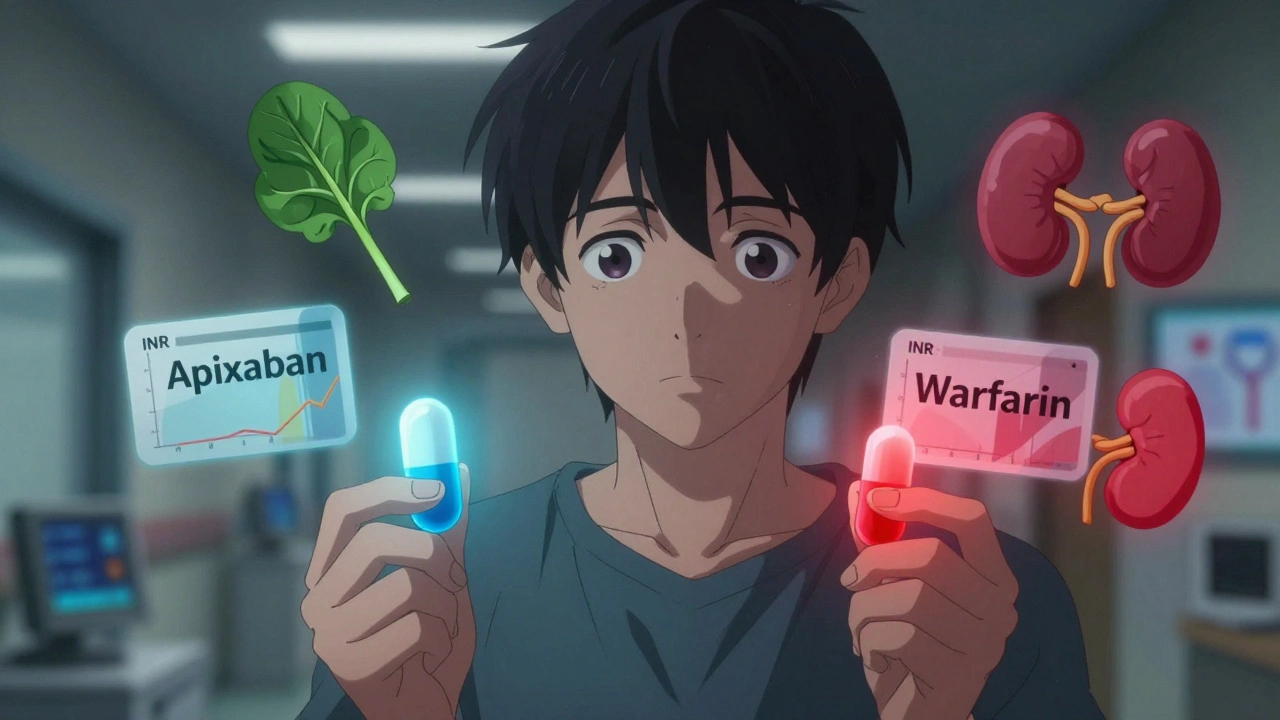
When you need a blood thinner to prevent strokes—especially with atrial fibrillation—you’re often faced with two main choices: apixaban, a direct oral anticoagulant that blocks Factor Xa to prevent clot formation or warfarin, a vitamin K antagonist that’s been around for decades and requires regular blood tests. These aren’t just different drugs—they’re different approaches to the same problem. Apixaban works quickly, doesn’t need constant monitoring, and has fewer food or drug interactions. Warfarin is cheaper but demands strict discipline: you must get your INR checked every few weeks, avoid big changes in vitamin K intake (like suddenly eating a lot of kale), and watch out for interactions with antibiotics, painkillers, or even herbal supplements.
The real difference isn’t just science—it’s lifestyle. With apixaban, you take one pill twice a day, no matter what you eat or what other meds you’re on. With warfarin, even a small change in your diet or sleep schedule can throw off your clotting time, putting you at risk for bleeding or stroke. Studies like the ARISTOTLE trial showed apixaban reduces stroke risk slightly more than warfarin while causing fewer dangerous bleeds. That’s why most doctors now pick apixaban for new patients unless cost or kidney issues make warfarin the only option. But here’s the catch: if you’ve been on warfarin for years and your INR is stable, switching isn’t always necessary. Stability matters more than the latest drug.
Both drugs carry risks. Apixaban can still cause serious bleeding, especially if you’re older, have kidney problems, or take other blood thinners. Warfarin’s big danger is the lag time—it takes days to build up or wear off, so if you miss a dose or get sick, your clotting levels swing unpredictably. That’s why emergency rooms see more warfarin-related bleeds than apixaban ones. But apixaban has no antidote for sudden bleeding (though andexanet alfa exists, it’s expensive and rare). Warfarin can be reversed fast with vitamin K or fresh plasma, which matters if you’re in an accident.
So who wins? For most people starting anticoagulation today, apixaban is the go-to. It’s easier, safer, and just as effective. But warfarin still has its place—for those on tight budgets, patients with mechanical heart valves (where apixaban isn’t approved), or people who’ve been stable on it for years. The choice isn’t about which drug is "better"—it’s about which one fits your life, health, and budget best.
Below, you’ll find real-world guides on how these drugs interact with other medications, what to watch for in side effects, and how to manage them safely. Whether you’re switching, starting, or just trying to understand your prescription, these posts give you the clear, no-fluff facts you need.
Anticoagulants: Warfarin vs DOACs - Safety, Risks, and What You Need to Know
Warfarin and DOACs both prevent dangerous clots, but DOACs are safer and easier to use for most people. Learn the real differences in bleeding risk, kidney safety, cost, and adherence - and what to ask your doctor.
Detail